BANGKOK (Bloomberg): Thailand’s strategy to minimize the hit from US tariffs will include pledges to import more goods and ramping up of US investments, and not any outright offer to cut import taxes, according to a government adviser.
The Southeast Asian nation, which has been hit with a 36% tariff by the Trump administration, may offer to step up imports of natural gas from a planned Alaska pipeline, liquefied natural gas and ethane, said Supavud Saicheua, a member of Prime Minister Paetongtarn Shinawatra’s economic advisory panel.
The country will also seek to partner with top agriculture producing states in the US to import more commodities and process them for reexports, he said.
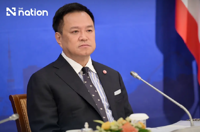
Thailand’s multi-pronged strategy to lessen the hit to its economy from one of the highest tariffs in the region will include a trip to the US by Deputy Prime Minister Pichai Chunhavajira in the coming days.
The minister will hold talks with public and private stakeholders and convey the nation’s readiness to import more energy, aircraft, and agricultural products.
Paetongtarn’s administration has been slammed by the opposition for its alleged slow response to the tariff hit as it adopted a wait-and-see strategy in the run-up to the announcement and hasn’t publicly spelled out its strategy on how to shield its trade-reliant economy.
While countries like Vietnam and Cambodia have offered to eliminate or slash taxes on US goods, China has retaliated with its own tariff announcement.
‘We will purse the middle path,” Supavud, who is also a member of the Thai government’s working group on tariffs, told the state-run MCOT television channel.
"We won’t rush to the US, and we won’t stand still and retaliate like China. We will try to find out ways as to how to live with the new Trump administration.”
Offering tax cuts like some other nations is unlikely to guarantee any tangible results, Supavud said, adding "we will need to save our bullets” for the negotiations.
Thailand’s trade surplus with the US totaled $45 billion last year, according to the Office of the US Trade Representative.
Electronic products, processed foods and agricultural products are among the nation’s biggest shipments to the US.
Paetongtarn has reiterated that Thailand’s national interests will be above all else in future negotiations, even as she offered to promote more Thai investments in the US.
She’s also offered to streamline non-tariff barriers and crack down on the practice of using the country as a transit point for shipments to the US.
While the negotiations are likely to be drawn out as every country hit by Trump’s tariff is seeking parleys with the US to minimize the fallout, the economic losses to Thailand could be as high as 900 billion baht ($26 billion), the Federation of Thai Industries estimates.
Automobiles, food, plastics and chemical shipments are likely to be hit hard by the US tariffs as the higher taxes will erode their competitiveness, federation’s Chairman Kriengkrai Thiennukul has said.
Paetongtarn’s administration is readying about 3 billion baht in soft loans to help exporters and small businesses hit by the US tariffs, Supavud said.
A meeting of the working group on tariffs on Tuesday will discuss and fine-tune measures to deal with the tariff fallout, he said.
-- ©2025 Bloomberg L.P.