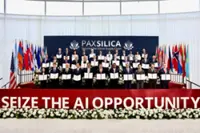
When law professor and veteran lawmaker Priscilla Leung Mei-fun spearheaded a two-day international summit in Hong Kong for top academics in December, she left out one item on the agenda: politics.
She “explicitly” told the participants that they were not there to talk politics and that it was a non-government event.
“I made sure they clearly understood the event was solely focused on tertiary education,” said Leung, who is also a deputy for China’s top legislature, the National People’s Congress (NPC).
Do you have questions about the biggest topics and trends from around the world? Get the answers with SCMP Knowledge, our new platform of curated content with explainers, FAQs, analyses and infographics brought to you by our award-winning team.
The Global University Presidents & Leaders Summit attracted more than 50 renowned guests from over 20 countries and regions. They hailed from institutions such as Tsinghua University, the University of Tokyo, the University of California, Los Angeles, and the King Abdullah University of Science and Technology.
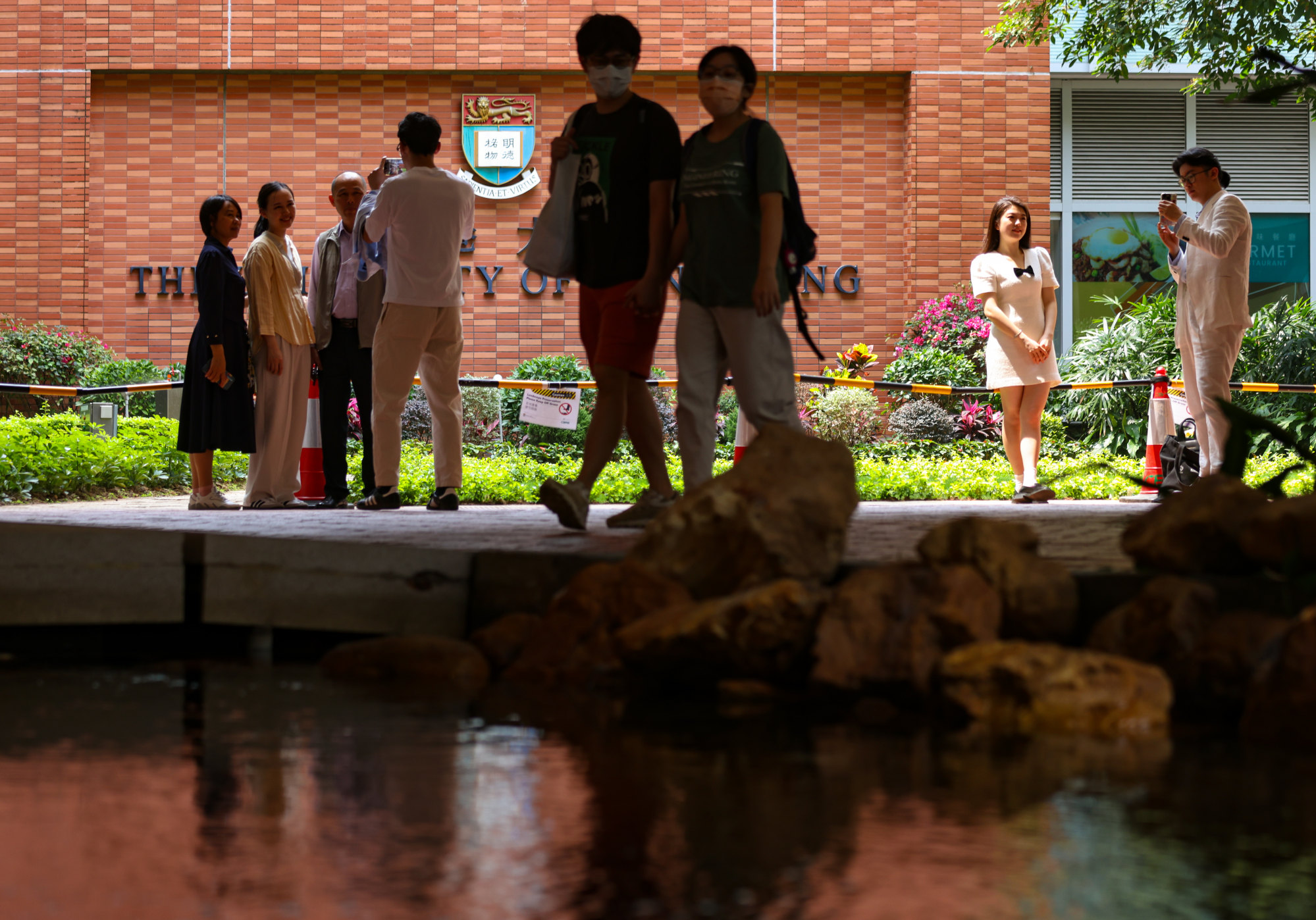
“The event allowed foreign university leaders to get a better understanding of Hong Kong ... It’s about seeing, learning and experiencing the city first-hand, and [let them know] we have five universities among the world’s top 100,” she said.
The summit was hosted by the Hong Kong Association for External Friendship, a group she founded last year, inspired by the growing importance of “people-to-people” diplomacy, a strategy Beijing has often emphasised amid rising geopolitical tensions.
She is convinced that such civilian-led initiatives can, at critical times, achieve more than governments.
Her savvy move may well be one answer to the call made to Hong Kong at China’s recently concluded key political meetings, the “two sessions”.
Premier Li Qiang, in his government work report, underscored the city’s mission to “deepen international collaboration and exchanges”, among other priorities.
The clarion call may seem familiar as Hong Kong considers itself a place where the world’s denizens congregate to work, live and play.
But it gained special significance given that the last time the city’s international role was highlighted in the central government’s annual work plan was more than a decade ago.
Beijing last formally pledged support to Hong Kong’s participation in international and regional economic cooperation in 2012.
After Li underscored China’s need to work with the international community in light of the “increasingly complex and severe external environment” facing the country, two other senior mainland Chinese officials in charge of Hong Kong affairs, Vice-Premier Ding Xuexiang and Beijing’s liaison chief Zheng Yanxiong, echoed in a similar vein and pledged support for the financial hub’s international role.
The renewed emphasis has much to do with timing. China and the United States are caught in a geopolitical rivalry set to be exacerbated with Donald Trump’s return to the White House, starting with his decision to impose more tariffs on China.
At a press conference last week, Chinese Foreign Minister Wang Yi called Beijing an “anchor” in an uncertain world, saying it was unacceptable for a major power to “pursue self-interest at the expense of others”.
Analysts said that Hong Kong could have a key part to play as Beijing calibrated its role on the world stage while friends and foes alike reel from the impact of Trump’s “America first” policy.
But the city also had its own battles that it must win to be relevant to China, they cautioned.
For the past few years, it has had to fight negative perceptions following the enactment of two security laws after the 2019 social unrest and also find its own footing without being overreliant on capital and talent from the mainland.
International relations expert Wilson Chan Wai-shun said Hong Kong must reassess its resources and roles amid evolving global geopolitics.
“We first need to know the cards we have,” said Chan, also co-founder of Pagoda Institute think tank. “It will be ideal if Hong Kong can support China’s foreign policies in its own way while safeguarding the city’s societal interests.”
Geopolitics at play: go south?
CK Hutchison Holdings’ recent decision to sell its Panama Canal port operations to a US-led investor group backed by BlackRock brought into sharp relief how unexpectedly the financial hub could be caught in the crosshairs of the current geopolitical tensions.
The conglomerate owned by tycoon Li Ka-shing’s family sold its port operations there and elsewhere outside China after Trump repeatedly described the canal as being under Chinese control.
The growth in Li’s port empire since the 1990s has often been studied as a textbook example of Hong Kong’s internationalism. CK Hutchison expanded its port operations across continents, showing how Hong Kong, for decades, could leverage its strengths to foster international investments and collaborations.
But the current geopolitical situation presents challenges and requires a new adroitness on the part of private companies and the government as they engage with overseas counterparts.
City authorities have been relying on their 14 Economic and Trade Offices (ETOs) to “tell good stories” about Hong Kong and “rebut inaccurate or misleading reports”. But the ones on American soil have been in the global spotlight as US politicians lobby for them to be closed and a spy scandal has rocked the UK office.
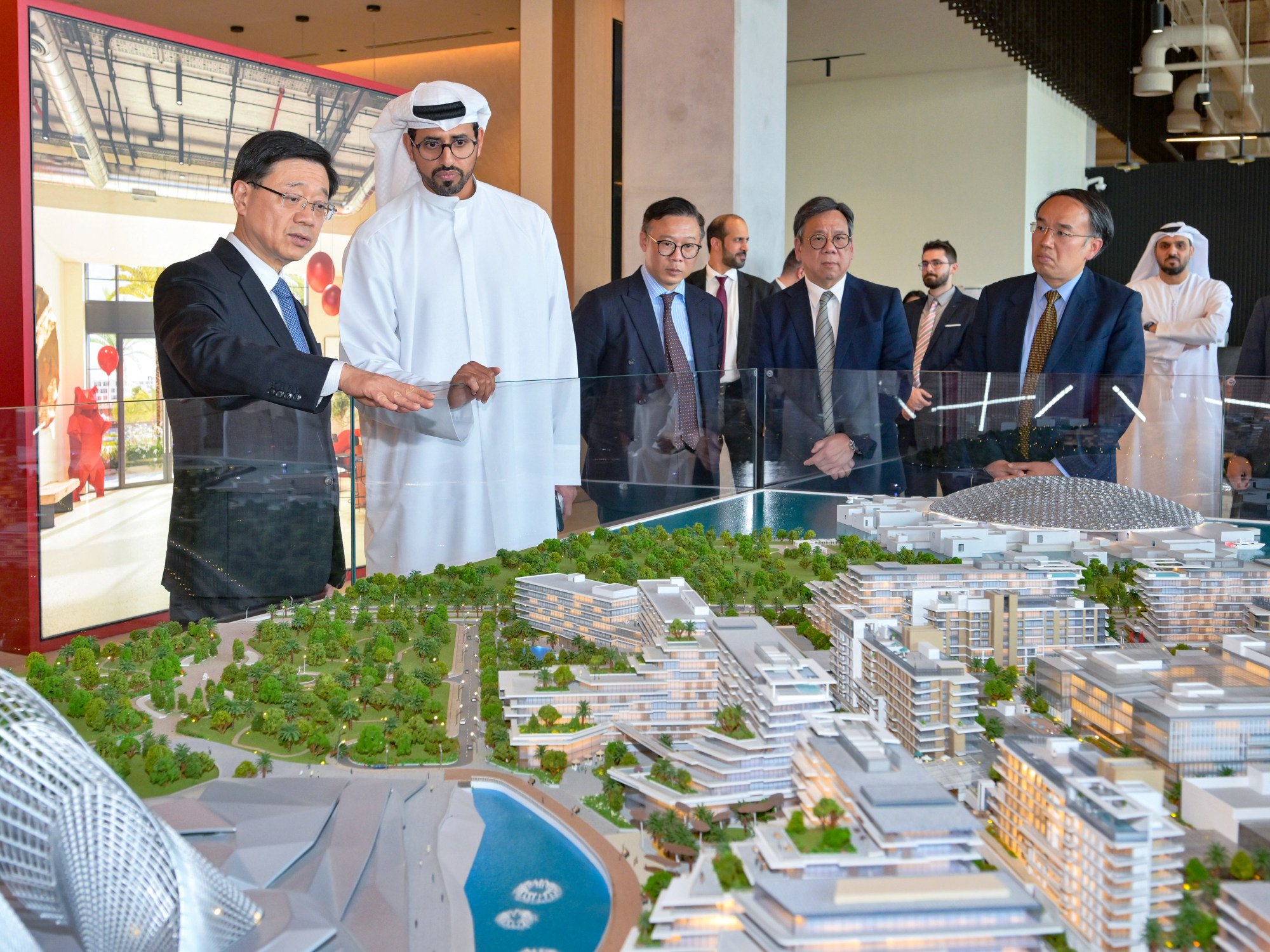
But Hong Kong has set its sights elsewhere. Chief Executive John Lee Ka-chiu, who is sanctioned by the US over the national security law, has directed the city to look for new markets in the Middle East, Southeast Asia and Central Asia, plugging its calling card as a “superconnector” and “super value-adder” between the mainland and the world.
Lee has been on two official visits to six Asean countries, including Singapore and Malaysia, and the Middle East since taking office. Key officials, such as Financial Secretary Paul Chan Mo-po, have also been on many such trips in pursuit of new connections for the city.
Starry Lee Wai-king, Hong Kong’s sole representative on the NPC Standing Committee, the nation’s top legislative body, said it was more critical than ever for Hong Kong to foster more ties with the global south.
“And it is not to say that Hong Kong gives up connections with the West. We still should maintain the ties with them despite challenges,” she said.
Meanwhile, former city leader Leung Chun-ying, now a vice-chairman of the Chinese People’s Political Consultative Conference (CPPCC), the country’s top political advisory body, argued that international exchanges were not just limited to finance and trade, but also education, culture, arts, sports and charity.
Craft a new narrative
While embarking on such outreach plans, Hong Kong must find ways to change the conversation, brand experts said.
Otherwise, it will not be able to shake off the reputational damage it suffered after the imposition of the security laws and the electoral overhaul following the 2019 protests.
Critics tend to harp on how Hong Kong appears to be little different from mainland cities with what they call a backsliding of freedoms.
Jonathan Cummings, former APAC president of Landor, the global branding firm behind the “Asia’s World City” label, said that when he used existing tools to evaluate Hong Kong as a brand, the city scored high in “awareness” and “differentiation” but lacked “relevance”.
“People know Hong Kong is different. They understand it’s old and new, East meets West, all of these lovely contrasts that really make Hong Kong,” he said.
“What they do not understand is Hong Kong’s role in the world today. And this is where you get those comments like ‘it’s just another Chinese city’, or ‘it’s purely a financial hub’, and all of these slightly limiting comments.”
Hong Kong adopted a branding campaign in 2001 to tell the international community its drive to become Asia’s World City. The key visual – a yellow and red dragon that incorporates the Chinese and English names of Hong Kong – is still widely used in official promotional materials.
Cummings said how the Hong Kong brand that was communicated internationally needed a “refresh”.
Recent campaigns to present the city internationally had been “superficial” or “too specific” around particular sectors rather than conveying the importance of Hong Kong to the global economy, he said.
He added that, for example, Hong Kong played a critical role in areas such as finance and aviation, and few people internationally knew of the developments in innovation and technology like academic research and the start-up scene.
The Hong Kong government, meanwhile, has adopted a combative style and even formed a rebuttal team to respond to allegations.
In 2024, it issued 58 statements focused on “condemning” someone or some outfit while it sent 15 letters to foreign media to “respond and clarify” their “false and misleading” claims.
International relations expert Wilson Chan Wai-shun also noted that the administration’s propaganda-style narrative in convincing foreign audiences, for example, solely praising the positive sides of the city, could be “counterproductive”.
“Repeatedly using the propaganda narratives will only exacerbate the misunderstandings. How could it be effective? ... It is important to breach cultural differences so they understand what you are saying,” he said.
Staying diverse
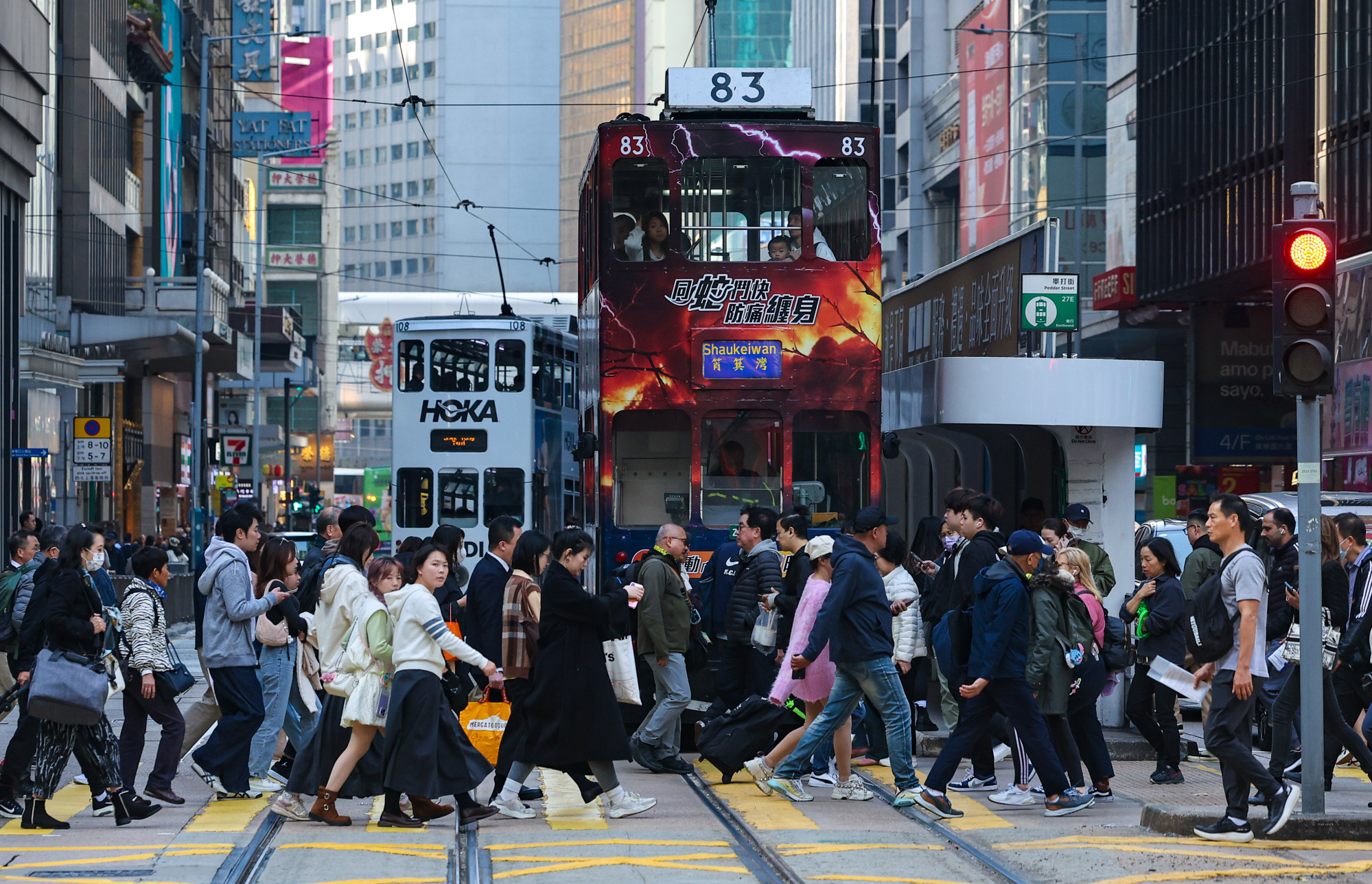
During the Covid-19 pandemic, expats left the city in droves in the face of strict restrictions, and while some have returned, the “international” profile of Hong Kong has changed.
In 2022 when Hong Kong marked the 25th anniversary of its return to Chinese rule, President Xi Jinping asked the city to “expand convenient and smooth international connections”.
He reiterated the call during Macau’s 25th anniversary ceremony in December, telling both cities to “broadly expand international connections, and enhance global influence and attractiveness with a more open and inclusive attitude”.
However, much of the growth in capital and talent the government sought to draw in recent years has been driven by the mainland, which has, in turn, fuelled more concerns over whether the city can remain diverse.
Mainlanders took up to 95 per cent of the 92,000 approved cases of the government’s Top Talent Pass Scheme. Their influx reversed the trend of a declining population in 2021 and 2022.
A Post report showed the proportion of first-year, non-local undergraduates at the city’s public universities who come from the mainland increased to 75 per cent, with 5,582 students in the 2024-25 academic year, after the government doubled the cap on such intakes.
Meanwhile, the proportion of non-local students enrolled in the city’s 54 international schools dropped from 75.5 per cent in the 2018-19 academic year to 65.1 per cent in 2023-24.
Government data shows that the number of foreign companies with regional headquarters in Hong Kong declined by 13 per cent from 1,541 in 2019 to 1,336 in 2023 amid the onset of the Covid-10 pandemic and social unrest. The number in 2024 ticked up to 1,410.
Reinvent financial hub to seek global funds
Hong Kong’s positioning as “three centres” – for international finance, trade and shipping – has been emphasised by the government, alongside its status as a hub to gather talent from across the world.
In his budget speech recently, Paul Chan said the key to enhancing the strengths of Hong Kong’s international financial centre lay in institutional and product innovation, as well as financial connectivity.
Rock Chen Chung-nin, a local NPC deputy, said that bringing more foreign capital should be a major step in strengthening Hong Kong’s internationalisation.
“The city should first aim at promoting the strong stock market to foreign investors who have low or even zero asset allocation in the city, suggesting to them that continuing with their current allocation might mean losing money,” he said.
Hong Kong’s stock exchange came in fourth in the global IPO rankings last year, with nearly 90 per cent of the offerings hailing from the mainland. The city could afford to ride on this standing by being more aggressive with other foreign companies, analysts said, to further broaden its base.
Chen said the city should also tell foreign investors, especially those interested in blockchain businesses, that Hong Kong’s proposed Stablecoins Bill was edging closer to becoming law, paving the way for the coins to be a bridge between Web 3.0 and traditional finance.
Chen suggested the government could team up with foreign nationals who had long lived in Hong Kong to promote the city overseas.
“It will be more convincing for such a group of people telling their friends, relatives and former colleagues what Hong Kong is really like, ” Chen said.
AI, fintech and biotech to drive growth
Technology has been a major battleground in the US-China rivalry. The tech race is not just about innovation, but also about shaping the global supply chain and application.
In this year’s two sessions, tech and artificial intelligence (AI) dominated dialogues, with the country riding high on the spectacular arrival of start-up DeepSeek on the global scene, rivalling other players.
In Hong Kong, Chan announced in his budget a HK$1 billion (US$128.6 million) fund to establish an AI research and development institute.
Johnny Ng Kit-chong, an NPC deputy and tech entrepreneur from Hong Kong, suggested that the effort on mega-events should focus on financial technology and play to the city’s strengths rather than being a hodgepodge of agendas.
“It will save us time and trouble to identify specific targets we want to engage with to develop AI,” he said, noting more than 20,000 had registered for the Bitcoin Asia 2025 conference in Hong Kong in August.
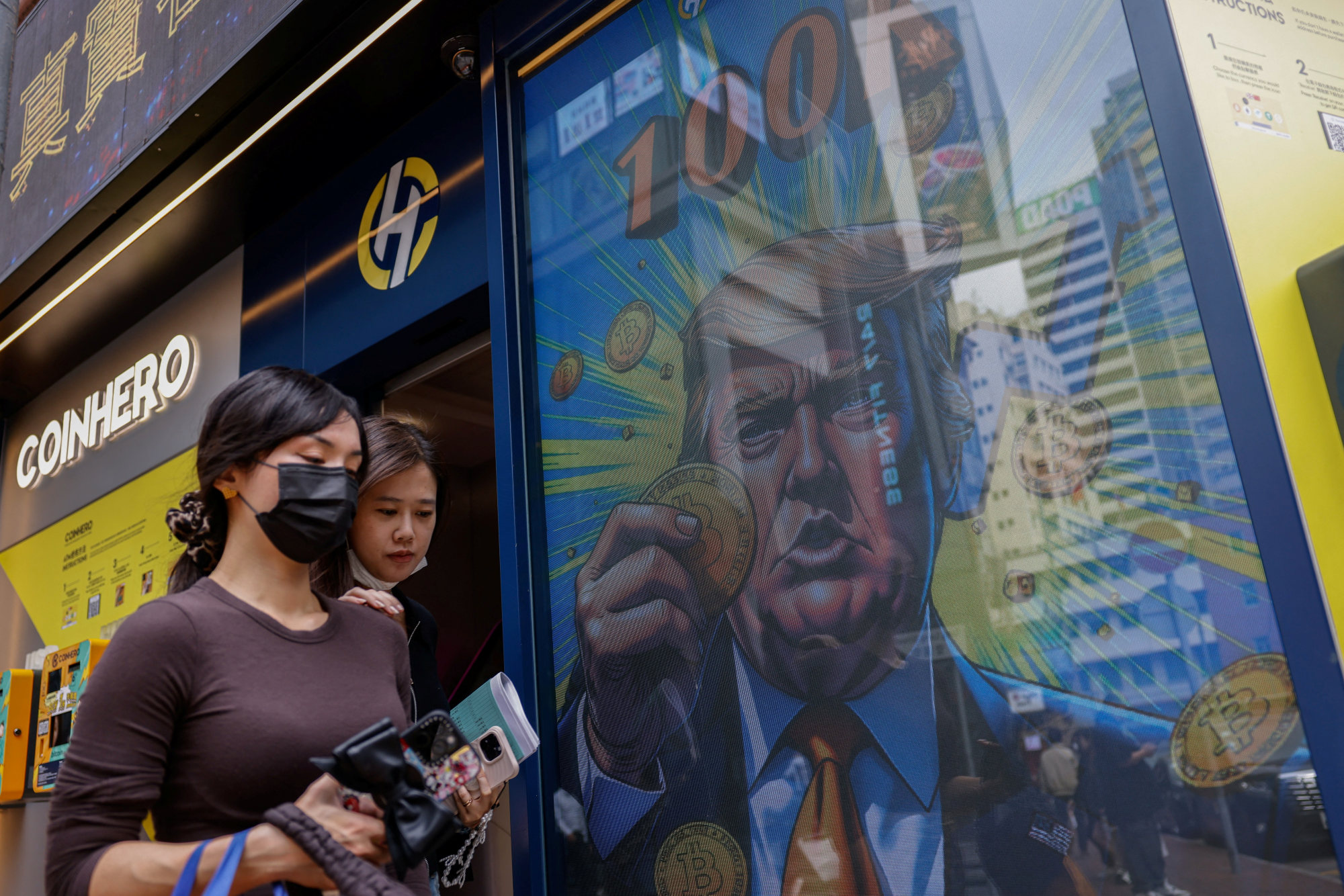
Jonathan Choi Koon-shum, chairman of Hong Kong-based conglomerate Sunwah Group, said technology achievements Hong Kong already enjoyed could be a selling point.
Choi, a member of the CPPCC, pointed to the city’s many biotech successes, such as the Chinese University of Hong Kong’s new modular robotic surgery system.
“We’ve promoted that during our trip to Dubai and people there were surprised to know Hong Kong could produce such hi-tech but cost-effective products,” he said.
Meanwhile, more business groups are preparing for trips to forge ties with other countries in response to Beijing’s call.
The Hong Kong General Chamber of Commerce will lead a delegation to the US next month in which it plans to meet local business groups and companies, and fight for meeting trade officials in a bid to clear their misunderstanding of the city.
The Chinese General Chamber of Commerce, which Choi chairs, has set its sights on strengthening connections with Central Asian countries, including Kazakhstan, as part of its 2025 agenda.
As Choi noted, part of the task of changing the narrative was to change the conversation and focus on the city’s achievements and ambitions, not get steered onto other people’s agendas.
“What is done by people may be more easily accepted and more persuasive. What we are talking about is something practical. We do not talk about politics,” he said.
Additional reporting by Edith Lin
More from South China Morning Post:
- China’s ‘two sessions’ 2023: Beijing’s political reshuffle is good news for Hong Kong, analysts say
- ‘Two sessions’ 2025: vice-premier asks Hong Kong to financially back nation’s tech growth
For the latest news from the South China Morning Post download our mobile app. Copyright 2025.