
Vietnam to impose VAT on low-value express-imported goods


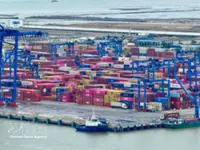
Officers at Lang Son Department of Customs in Vietnam implement customs clearance procedures on import-export goods. - VNA/VNS/ANN

HANOI: Effective February 18, low-value imported goods sent via express delivery services will no longer qualify for a value-added tax (VAT) exemption, as announced by the General Department of Customs (GDC).

Decision No 01/2025/QD-TTg officially revokes Decision No 78/2010/QD-TTg, dated November 30, 2010, which previously established the value threshold for VAT-exempt imported goods sent via express delivery services.


The declaration and payment of VAT on low-value imported goods will now follow the Law on VAT and relevant legal regulations.

The GDC stated that implementing this decision aligns Vietnam’s tax policies with international practices, ensures consistency within the current tax regulatory system, and follows the State’s policy direction of expanding the tax base.

It is estimated that if low-value goods worth less than VND1 million (US$0.000039 million) are subject to 10 per cent VAT rate, State budget revenue could increase by around VND2.7 trillion (US$0.00011 trillion).

The new decision is also expected to create fair competition between domestically produced and imported goods, promoting local production.

Additionally, it strengthens State management and enhances anti-smuggling and tax evasion measures for imported goods, particularly low-value imports. The policy also aligns with global trends, as many countries have begun imposing VAT on low-value imported goods.

However, the GDC anticipates some challenges in enforcing this.

For businesses and consumers, from February 18, low-value goods sent via express delivery will no longer be VAT-exempt and must be taxed according to current VAT regulations.

Since Decision No 78/2010/QD-TTg did not involve administrative procedures, its repeal will not impact existing processes. However, during the system upgrade period, customs declarants will need to provide additional information on paper declarations and detailed item lists to facilitate VAT collection.

Meanwhile, customs agencies must collect VAT on low-value imports. Until the customs system is fully upgraded, officers will face an increased workload in manually processing declarations and verifying tax payments, making the management and tracking of tax data more challenging.

To mitigate these challenges, the GDC has instructed relevant units to develop the most efficient VAT collection process.

Customs authorities plan to process customs declarations for express-exported and imported goods remotely via the Customs Declaration System.

However, upgrading the Vietnam Automated Cargo Clearance System cannot be done immediately due to dependence on investment capital.

In the interim, the GDC will request the Ministry of Finance to issue implementation guidelines for provincial and municipal customs departments, as well as enterprises providing international express delivery services. - Vietnam News

Follow us on our official WhatsApp channel for breaking news alerts and key updates!

Next In Aseanplus News

Over 1,100 olive ridley hatchlings released in Philippines' Bataan region
Thailand and Cambodia want Malaysia to remain as peace facilitators, says Tok Mat
New Zealand and Kiribati relationship warms with partnership agreement
Nine arrested in North Sumatra over alleged baby trafficking
Cybercrime awareness efforts target Brunei senior citizens
Anwar: US Board of Peace needs to stop Zionist attacks first
Ant-backed Chinese AI agent developer DeepWisdom aims to help solo entrepreneurs
Record tourists to Japan, despite plunge in Chinese visitors
Cambodia makes US$15.5bil from exports of garments, shoes, travel goods in 2025
Taiwan says it will lead 'democratic' high-tech supply chain with US

Others Also Read