




Hong Kong’s hotels are reporting occupancy rates of more than 90 per cent over Lunar New Year, although the figures are down slightly compared with the same period in 2024, with industry insiders pointing to shorter stays and a continued reluctance by mainland Chinese visitors to spend.
A spokeswoman for the Cordis hotel in Mong Kok said it was enjoying a “robust occupancy rate” exceeding 90 per cent over the Lunar New Year period, with nearly 40 per cent from the mainland.
The Mira in Tsim Sha Tsui said it also anticipated a “robust performance” from January 28 until February 4 – the Lunar New Year “golden week” holiday on the mainland – particularly during the first four days, going by its bookings.
Do you have questions about the biggest topics and trends from around the world? Get the answers with SCMP Knowledge, our new platform of curated content with explainers, FAQs, analyses and infographics brought to you by our award-winning team.
“We expect occupancy rates to be in the high 90s,” a spokeswoman said.
“Notably, about 62 per cent of our guests will be holding [mainland] passports or Hong Kong identity cards, highlighting the strong interest from these markets.”
Travel Industry Council chairman Tommy Tam Kwong-shun earlier told the Post that 1.45 million mainland tourists were expected to visit the city between January 28 and February 4 – about 15 per cent more than in 2024.
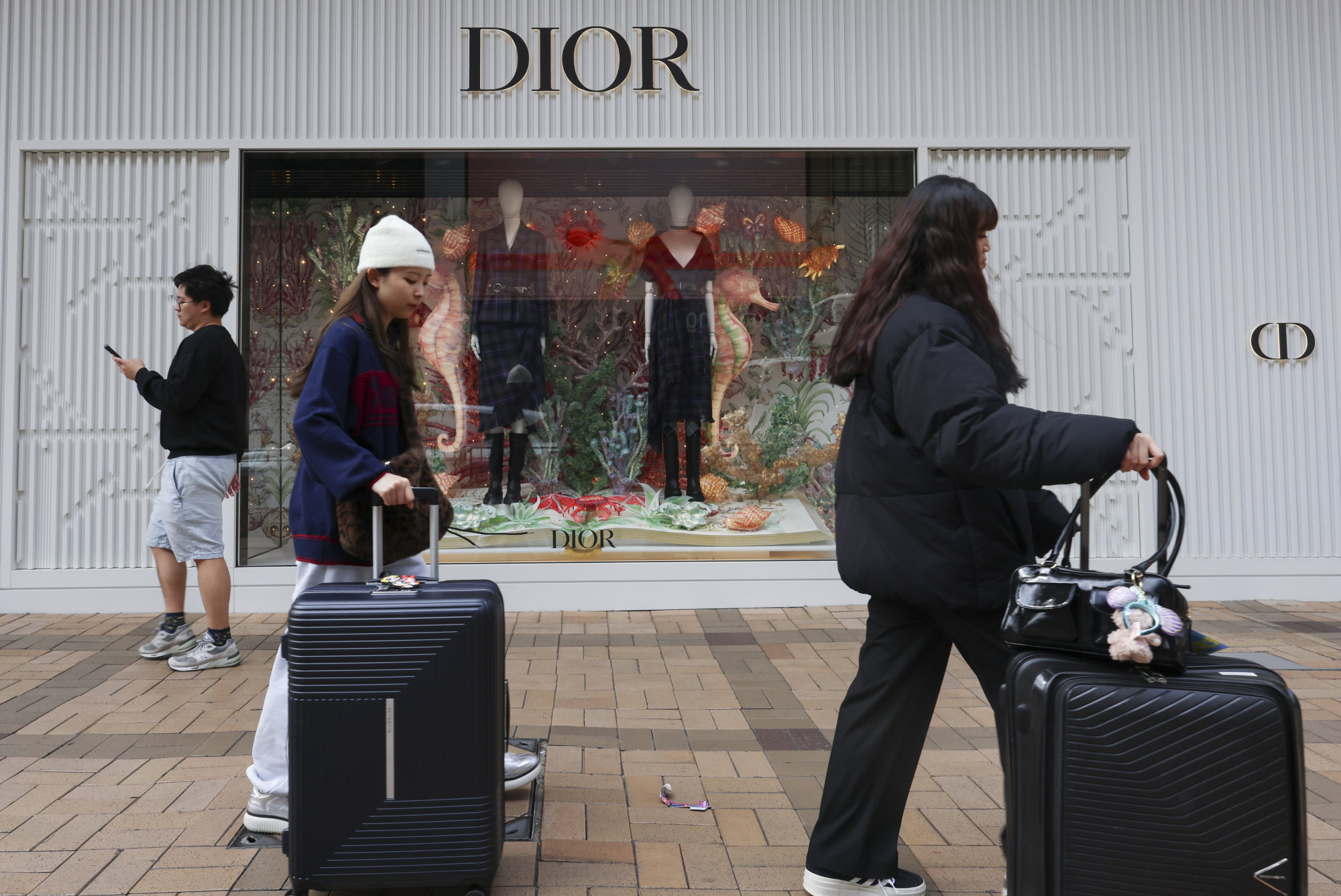
He attributed the increase to mega-events and recently relaxed visa restrictions, including a multiple-entry scheme for Shenzhen residents that was relaunched in December after a nine-year halt.
Some in the industry said that although the programme had resulted in more mainland visitors, hotels were unlikely to enjoy additional business because the arrivals lived just across the border and would not be staying overnight.
Jack Cheung Ki-tang, director of CTS HK Metropark Hotels Management, said that while the occupancy rate of properties under his company would be around 95 per cent throughout the golden week holiday, it was still lower than the figure of about 97 per cent last year.
“Since the multiple-entry scheme serves only Shenzhen residents for now, visitors probably won’t choose to stay overnight,” he said.
Cheung said the average spending for those who stayed was around HK$1,300 (US$167) per night, at an average of two nights per trip, which was lower than around three nights in previous years.
Cheung also noted mainland visitors continued to prefer cheap local eats, such as noodle restaurants or cha chaan teng, Hong Kong-style cafes, meaning they rarely spent extra money in the hotel or ordered room service.
He said peak occupancy rates would be on Thursday and Friday, the second and third days of the new year, after visitors finished with festivities and family gatherings at home.
According to Immigration Department numbers, 79,895 mainland visitor trips were made into Hong Kong on Tuesday – the first day of the golden week. Locals made 330,633 trips out.
Hong Kong authorities earlier predicted more than 7.3 million trips would be made via the city’s land checkpoints with the mainland during the Lunar New Year period, with the Lo Wu control point expected to be the busiest.
Peak periods for both outbound and inbound travellers using land control points are expected to be on January 31 and February 2, with about 567,000 and 640,000 passengers, respectively.
More from South China Morning Post:
- Flights from Hong Kong to Japan ‘every 15 minutes’ over Lunar New Year
- ‘Hong Kong to welcome 1.45 million mainland tourists over Lunar New Year’
- Warm, humid weather expected in Hong Kong over Lunar New Year
For the latest news from the South China Morning Post download our mobile app. Copyright 2025.



