



A CNY special: Food mistakes to avoid over Chinese New Year holiday, from eating congee to chopping chicken


People in Chengdu, southwest China, enjoy a Lunar New Year feast. There are auspicious foods to eat during the festival, and others you should avoid if you want good fortune in the new lunar year. -- Photo: Getty Images via South China Morning Post.

BEIJING/HONG KONG: From snake-themed events to whether your luck is in: discover all you need to know about the coming Lunar New Year in our Year of the Snake 2025 series.

The Lunar New Year holiday is associated with indulgence. During the festival, dinner tables heave with whole fish, platters of sticky glutinous rice cake, or nin go, and turnip cake, and prosperity boxes overflow with symbolic sweet treats.

Whether it is eating dumplings – thought to resemble gold ingots – for good luck or a multi-course menu whose every dish has an auspicious-sounding name, what you eat and what fortune you attract is believed to be tightly intertwined.

Having a plump whole fish represents abundance in the new year, and ordering a plate of pig’s trotters with lettuce suggests receiving fortune and wealth.

But what about the taboo dishes or culinary faux pas you should be avoiding during the Lunar New Year festival?

We take a look at dishes and practices to avoid in the lead-up to and during this most superstitious of festivals.

Congee’s association with thriftiness and poverty makes it an inauspicious food to eat during Chinese new year celebrations. -- Photo: Shutterstock via SCMPCongee’s association with thriftiness and poverty makes it an inauspicious food to eat during Chinese new year celebrations. -- Photo: Shutterstock via SCMP

1. Eating congee

While comforting bowls of congee are welcome at most times of the year, the rice porridge’s association with thriftiness and austerity is considered a no-no during the Lunar New Year celebrations.

Because historically congee was made by stretching a small quantity of rice with plenty of water, and associated with poverty and hardship, it is seen as inauspicious to have during the festival. To do so would be akin to bringing a year of financial hardship upon yourself.
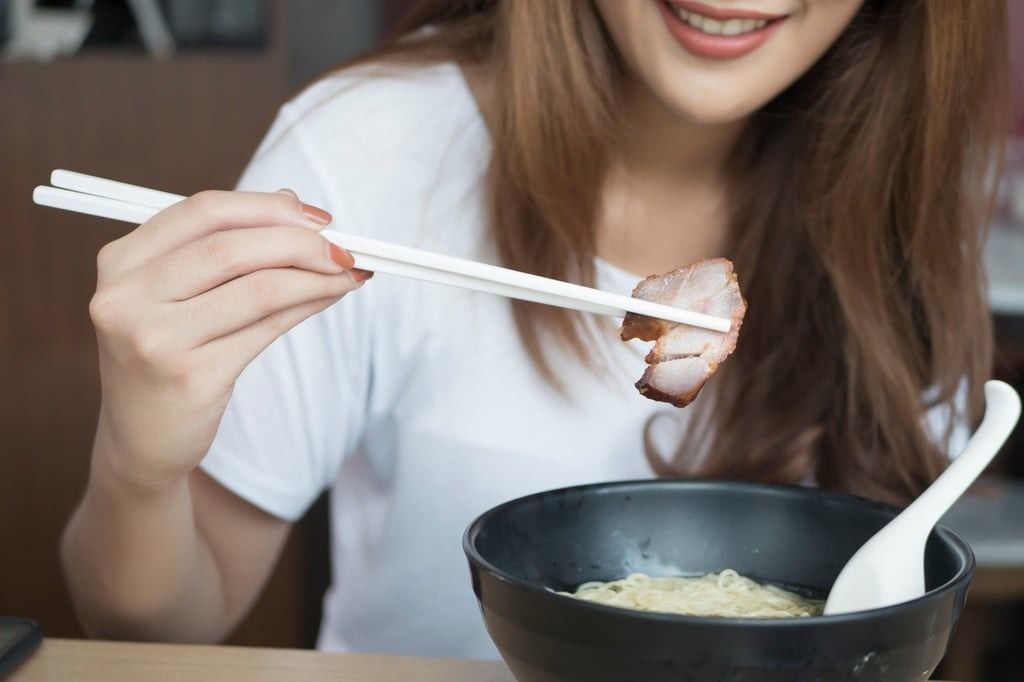
According to Buddhist principles, diners should avoid eating meat on the first and 15th days of the Lunar New Year holiday, so the barbecued pork this woman is eating with a bowl of noodles would be a no-no. -- Photo: Shutterstock via SCMPAccording to Buddhist principles, diners should avoid eating meat on the first and 15th days of the Lunar New Year holiday, so the barbecued pork this woman is eating with a bowl of noodles would be a no-no. -- Photo: Shutterstock via SCMP

2. Eating meat

One tradition is to not eat meat on the first day of the Lunar New Year.

Buddhism decrees that we eat vegetarian on the first and fifteenth days of the lunar month, it being taboo to kill animals on these days. A vegetarian meal also suggests cleansing and purification for the year ahead.
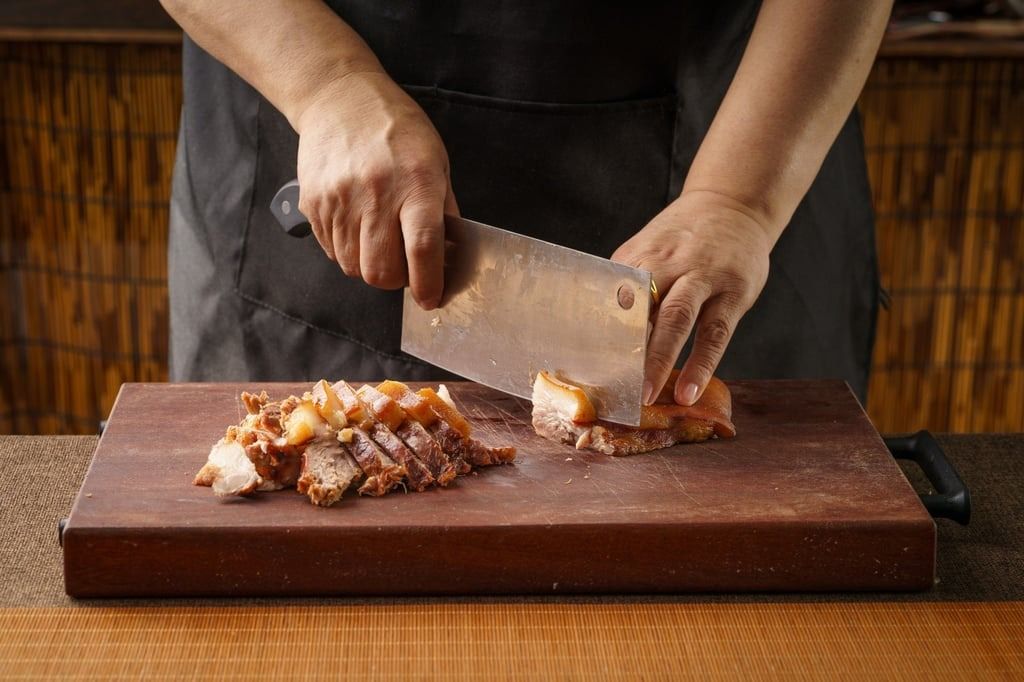
Do not chop meat on Lunar New Year’s day. According to Chinese tradition, using sharp objects then symbolises cutting the thread of good luck for the year ahead. -- Photo: Shutterstock/SCMPDo not chop meat on Lunar New Year’s day. According to Chinese tradition, using sharp objects then symbolises cutting the thread of good luck for the year ahead. -- Photo: Shutterstock/SCMP

3. Chopping meat

If you do not subscribe to the above vegetarian rule and cannot live without your meat, then at least avoid cooking that requires you to chop or slice your dinner on Lunar New Year’s day.

Many believe that sharp objects such as knives, as well as scissors and needles, should be avoided because using them symbolises cutting the thread of good luck for the year ahead.

A plump whole fish is a common sight on dining tables over Lunar New Year. Tradition-minded diners will leave the head and tail untouched so they will always have enough to eat in the coming lunar year.  -- Photo: Shutterstock/SCMPA plump whole fish is a common sight on dining tables over Lunar New Year. Tradition-minded diners will leave the head and tail untouched so they will always have enough to eat in the coming lunar year. -- Photo: Shutterstock/SCMP

4. Finishing your fish

Fish is often a feature on the Lunar New Year dining table, as the word for it in Chinese, yu, sounds like the word for abundance or surplus.

Therefore, many who dine on fish on Lunar New Year’s eve traditionally leave the head and tail untouched, to be saved for the next day. This represents the idea that they will always have enough on their plates for the coming year.
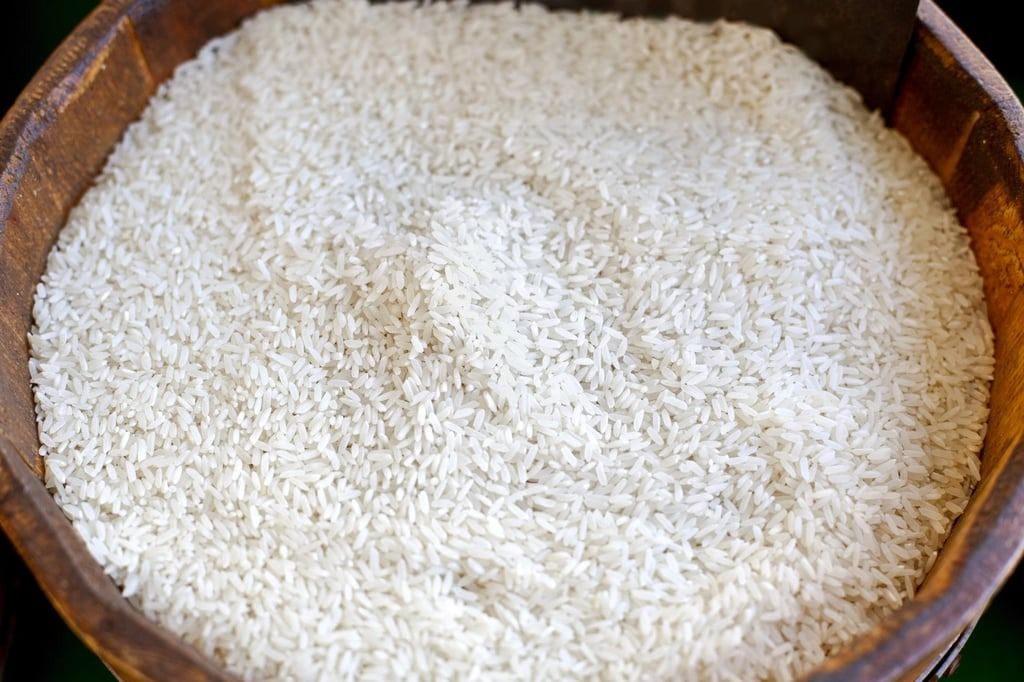
Whether you use a bucket or other receptacle to store rice, make sure it is full to the brim at Lunar New Year. -- Photo: Shutterstock/SCMPWhether you use a bucket or other receptacle to store rice, make sure it is full to the brim at Lunar New Year. -- Photo: Shutterstock/SCMP

5. An empty rice bucket

Rice is often symbolic of money – thus the “not eating congee” rule above. This is seen in Cantonese phrases such as yau mai (“have rice”) for being wealthy and daa laan fan woon (“broke the rice bowl”) for going bankrupt.

Therefore, to ensure you remain in good financial standing and to avoid going hungry, both figuratively and literally, you need to make sure your supply of rice at home is well maintained, and your rice receptacle filled to the brim. - SOUTH CHINA MORNING POST


Follow us on our official WhatsApp channel for breaking news alerts and key updates!
SCMP , China , Lifestyle

Next In Aseanplus News

Air India 777 aircraft turns back after drop in engine oil pressure, says regulator
South Korean presidential office’s return to the Blue House is more than just a logistical reset
It's going to be a wet Christmas
Court of Appeal dismisses claims over foreign lawyer’s admission
Bank Negara international reserves edge up to US$124.3bil as at Dec 15
New Zealand and India conclude free trade agreement
Over 6,000 Singapore households to receive special year-end MUIS payout
Asia shares extend gains, yen friendless as bonds buckle
Monsoon surge from Dec 25-29, continuous rain expected on east Peninsula, says MetMalaysia
Rebirth of Apsara returns home to close Cambodia’s 50-year genocide commemoration

Others Also Read