
HONG KONG (SCMP): The snake may be less celebrated in Chinese culture than, say, the dragon – the coming Year of the Snake does not have quite the same ring to it as the Year of the Dragon.
But the reptile is just as rich in symbolism and lore as the mythical beast, appearing in mythology, literature and art, representing both good and evil.
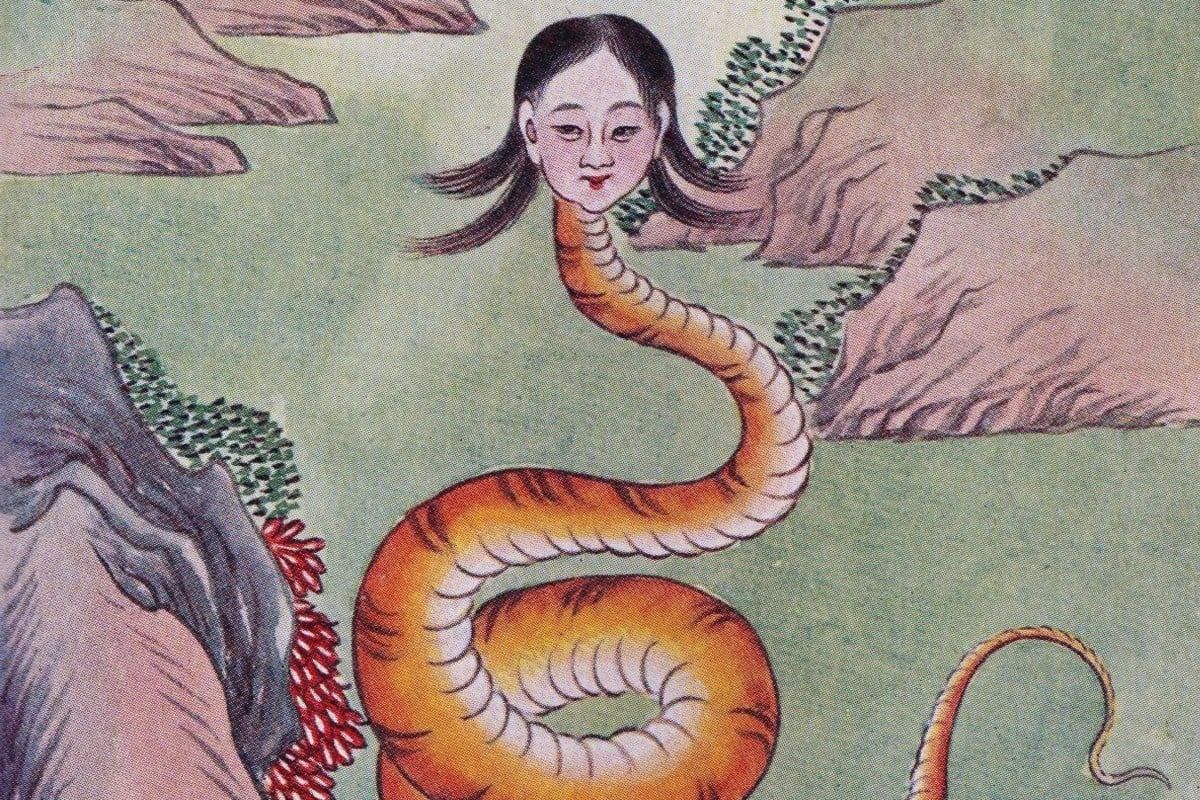
Nüwa, the mother goddess credited with creating humanity in Chinese mythology, is often depicted with a human head and serpent-like body, reflecting the snake’s association with reproduction and life.
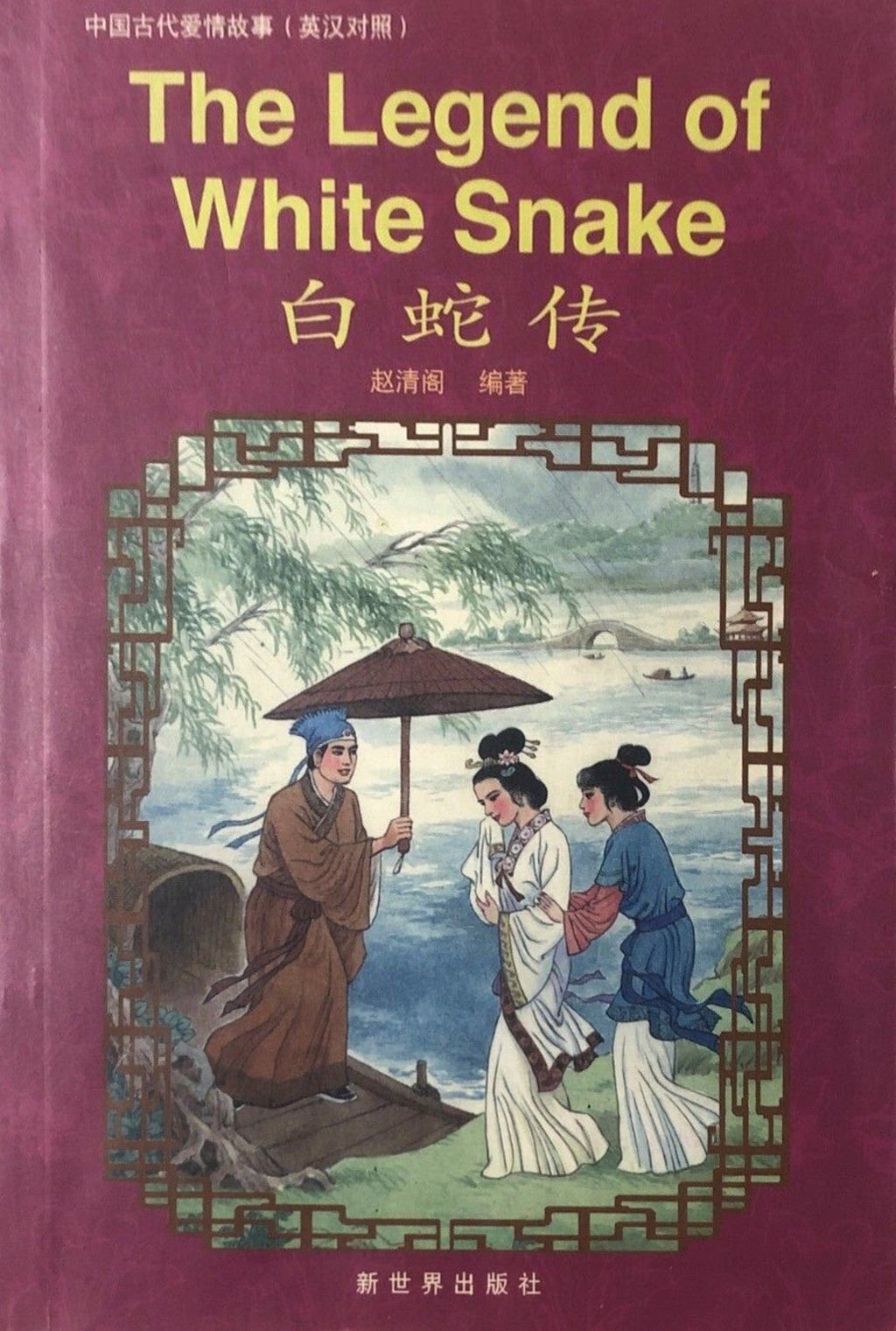
Perhaps the most famous representation of snakes is the Legend of the White Snake, one of China’s four great folktales. The story describes a romance between a mortal man and a white snake spirit who has transformed into a beautiful lady. Many centuries later, it continues to captivate audiences and inspire adaptations.
But the tale did not start as a love story, and the snake was not always regarded as resilient and righteous. In fact, like in many other ancient cultures, snakes were once viewed negatively in China.
The first written version of the Legend of the White Snake, from the early 9th century, recounts the tale of a man whose body weakens and turns into water after a sexual encounter with a beautiful woman dressed in white, who was ultimately revealed to be a giant white snake.
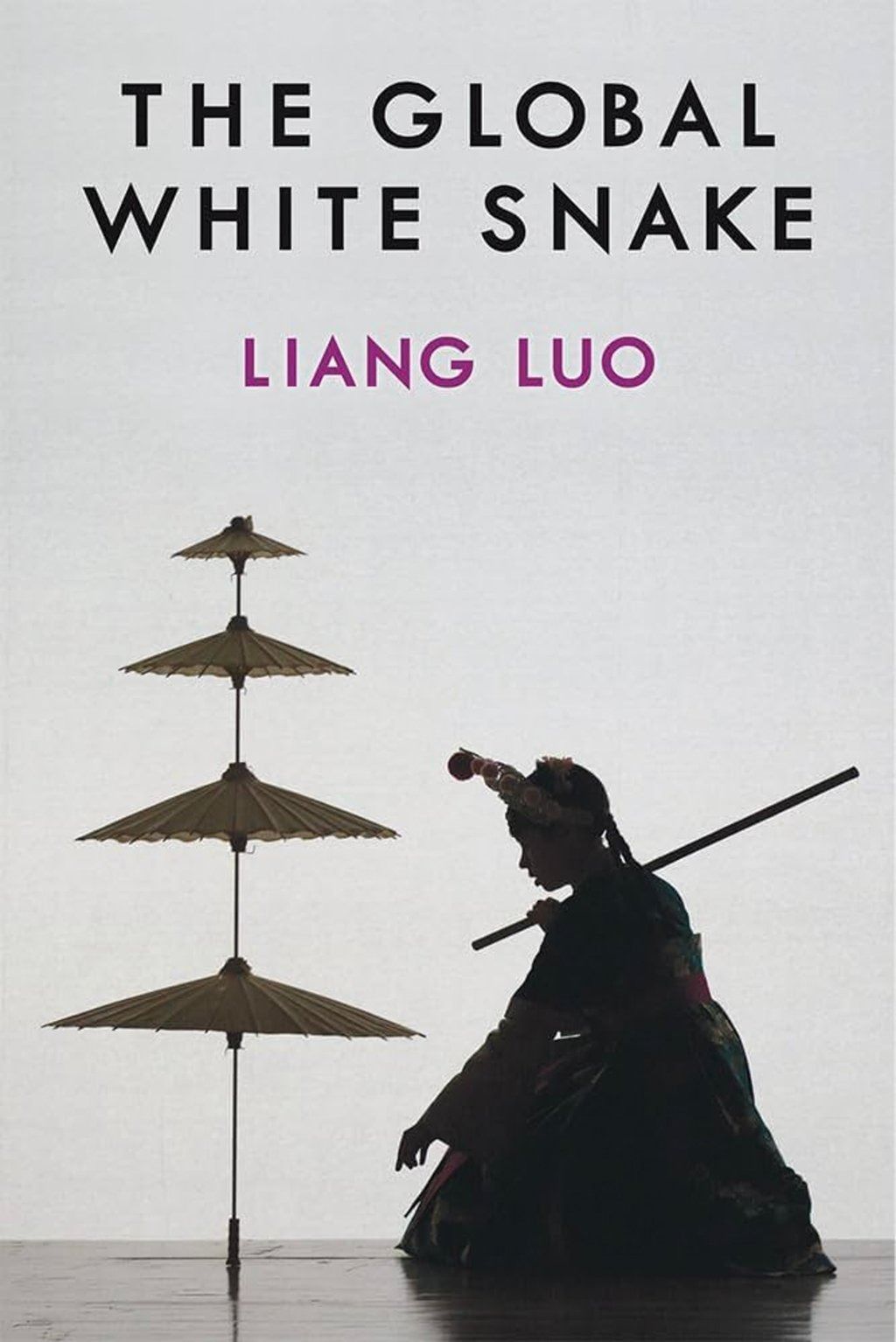
“It originated as a horror story – once you’re contaminated by the snake spirit, you will suffer a horrible death,” says Liang Luo, professor of Chinese studies at the University of Kentucky and author of The Global White Snake, which explores the transformation of the Chinese tale across the world.
Subsequent versions refined the plot and added more details, bringing it closer to the tale we know today, but kept the symbolism of snakes as dangerous.
In one popular retelling by Ming dynasty historian and novelist Feng Menglong from 1624, the man meets the white snake in her human form as a beautiful woman who tries to persuade him to marry her.
She showers him with money and extravagant presents, but it is revealed that her gifts were stolen, leading the man into legal trouble. A Buddhist monk reveals the true identity of the white snake to the man, and she threatens to turn the city into blood when he tries to leave her.

Remorseful and desperate, the man is about to commit suicide before the monk stops him and helps to imprison the white snake under a pagoda. The man decides to follow his saviour and becomes a monk himself.
These early versions of the legend portrayed snakes, representing beautiful women, as dangerous temptresses, says Luo. The monk, in contrast, is the righteous protagonist, defending social and moral norms.
“It’s sort of a didactic tale,” she adds. “This white snake is basically a test on the way to self cultivation and Buddhist monkhood.”
Such negative portrayals of snakes in Chinese literature and mythology were hardly new. In the 16th-century classic Journey to the West, they often appear as demons, exemplified by the notorious red-scaled python that devours humans whole.
Similarly, Strange Tales from a Chinese Studio, a collection of classical folktales written between the late 1600s and early 1700s, presents snakes as symbols of deception and danger.
One notable example from the collection is the story Prince of the Sea, in which a man travels to a remote, uninhabited island and encounters an enchanting woman. As they make love, a giant snake emerges to attack him.
The tale vividly describes the perilous encounter, from the fierce winds to the blood dripping from the man’s wound. Although the man manages to defeat the snake, he succumbs to illness for a month, ultimately realising that the woman may have been a snake spirit as well.
These negative perceptions of snakes often stem from humans’ encounters with these creatures and the latter’s natural characteristics, says Zhao Xiaohuan, professor of Sinology at the University of Sydney.
“In ancient times, when humans lived in caves, encounters with snakes were common, leading to a deep-seated wariness toward these reptiles,” he says.
He adds, “As cold-blooded creatures that often inhabit dark, cave-like environments, snakes evoke fear, especially since some species are venomous and potentially lethal”.
But the snake would not remain a symbol of evil for long, as the Legend of the White Snake underwent further revision.
“Things changed in the 18th century, dramatically,” says Luo, with playwright Fang Chengpei’s 1777 retelling marking a “decisive shift” in the portrayal of the white snake.
The story evolved from a written folktale into a stage adaptation, and the paying audience was hungry for a happier story, says Luo.
In Fang’s traditional opera version, the white snake is tricked into revealing her true form, causing the man to die from shock. Deeply grieved, she risks her life to steal a mythical herb to save her husband.
He survives, but the happy couple’s life is interrupted by the Buddhist monk, who disapproves of the relationship between a man and a demon. The monk repeatedly tries to sabotage their marriage and eventually locks the white snake in a pagoda.
In this tale, the snake is no longer an evil, conniving spirit, but has become a righteous, resilient figure, embodying the complexities of love and sacrifice in the face of adversity.
“[This version] represents the white snake as an endearing character and recasts the Buddhist monk as a destructive power,” says Luo.
“It also becomes a love story around this time,” she adds. With the white snake’s virtuous character, she becomes a fitting object of romantic desire, and loving her no longer violates social and ethical norms.
With this also came a philosophical shift in thinking about the innate nature of humans and demons, says Luo.
“You can no longer assume that just because she’s a snake, she’s evil,” she says. “The plot details lead the audience to see how [the white snake] is violating the stereotypical view of what an evil snake should be.”
Later versions further emphasised the perspective of the white snake, and in the 19th century, the term “righteous demon” was used to describe the white snake for the first time.
The legend continues to be adapted today, with the white snake consistently portrayed as a resilient and righteous figure.
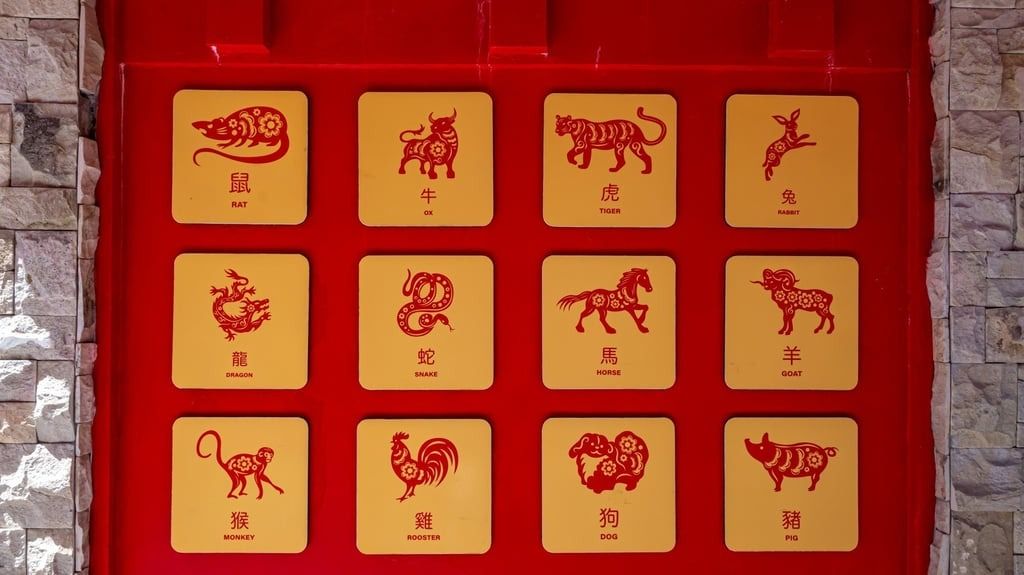
Beyond the tales, snakes have also taken on positive symbolism through the Chinese zodiac, with its association with the dragon. They are regarded as “little dragons”, and the skin they shed is sometimes referred to as “dragon’s coat”, symbolising good fortune.
“This duality in the perception of snakes has persisted throughout history and continues to shape attitudes toward them today,” says Zhao.
Additional reporting by Austin Zhang. - SOUTH CHINA MORNING POST