
Hong Kong cinema delivered an impressive report card in 2024 with two local films surpassing the HK$100 million (US$12.9 million) mark at the box office for the first time in a single year, but industry players said it was premature to speak of a full recovery for the sector.
While box office takings over the Christmas holiday period rose almost seven per cent from last year’s 20-year-low of HK$19.6 million to HK$21 million, overall year-on-year revenue declined and at least eight cinemas have ceased operations in the past year.
Among the three dozen odd Hong Kong films released this year, The Last Dance stole the show. The poignant drama about the local funeral trade and family traditions became the highest-grossing Chinese language film in Hong Kong history, with box office figures hitting HK$134 million as of December 22.
Do you have questions about the biggest topics and trends from around the world? Get the answers with SCMP Knowledge, our new platform of curated content with explainers, FAQs, analyses and infographics brought to you by our award-winning team.
The film bagged four awards at the 61st Asia-Pacific Film Festival in Malaysia earlier this month, and its lead actress Michelle Wai Si-nga also clinched a best actress prize at the Huading Awards in Macau in October.
The Last Dance, featuring Hong Kong comedians Michael Hui Kwun-man and Dayo Wong Tze-wah and set within the backdrop of the funeral business, conveys a message about honouring the dead while not neglecting the living.
Twilight of the Warriors: Walled In emerged as the city’s most-watched local film by audience numbers in the summer, bringing in a total of HK$107 million at the box office as of July.
Combining kung fu and nostalgia for the city’s infamous slum enclave demolished in 1994, the film’s global ticket sales reached US$110 million and will represent Hong Kong at the 2025 Academy Awards in the category of Best International Feature Film.
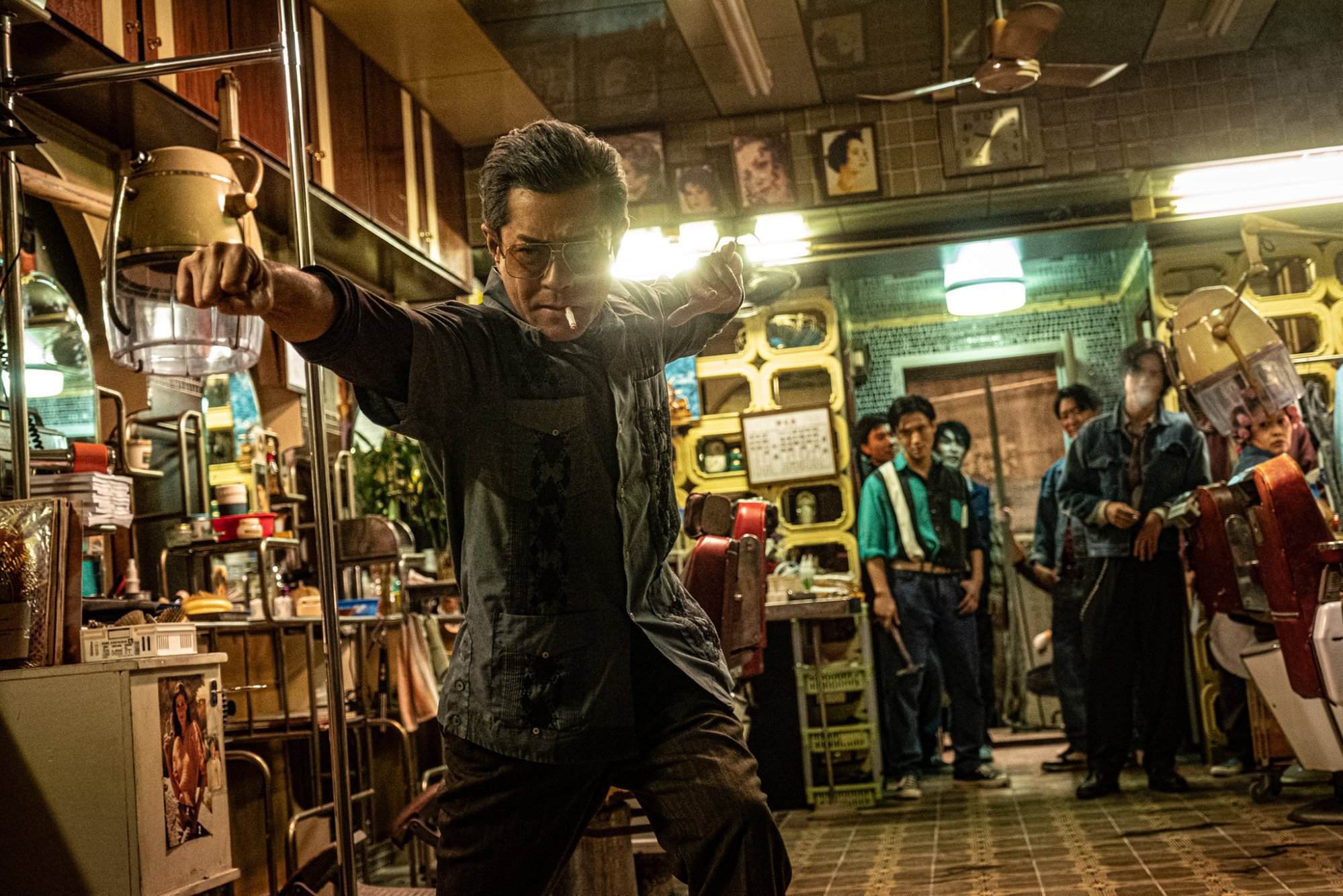
“Films with a strong local flavour have proven beyond a shadow of a doubt to be the very reason the audience would pay to go to cinemas,” Hong Kong-based film critic Pierre Lam said.
Associate professor Kenny Ng Kwok-kwan from Baptist University’s Academy of Film said a movie like The Last Dance might have struggled to perform well in the 1980s and 1990s, contending that the shift in audience’s preferences was influenced by the Covid-19 pandemic, which forced many viewers to confront issues of mortality.
Ng surmised that the audience could be looking to “cleanse their souls” when watching films, having gone through upheavals in the changing social and political circumstances of the world.
Other local films focused on social issues but shot on smaller budgets performed well this year, including All Shall Be Well, a lesbian drama by Ray Yeung which won the Teddy Award for best feature film at the Berlin International Film Festival.
Sandra Ng Kwan-yue, playing the lead role of a gynaecologist involved in an online romance scam in Love Lies, was honoured with the Spotlight On Hong Kong Filmmaker in Profile Award at the Hawaii International Film Festival.
These came after last year’s Time Still Turns The Pages, which tackled themes of suicide, and Fly Me to the Moon, which shed light on the lives of immigrants. The Way We Talk won Chung Suet-ying a best actress prize for her portrayal of a deaf girl at the Golden Horse Awards in Taiwan last month.
Ng said recent Hong Kong films that explored “more universal themes” enabled viewers who may come from the same cultural backgrounds to nonetheless connect with the stories.
In contrast with Ng’s optimism, Crucindo Hung Cho-sing, chairman of the Hong Kong Motion Picture Industry Association described 2023 as “the bleakest year” in recent local film history.
Though box office takings over the Christmas holiday period rose from HK$19.6 million in 2023 to HK$21 million this year, the 6.9 per cent year-on-year increase was modest and still marked a 36 per cent drop from 2022.
“This shows that the operating environment of Hong Kong cinemas continues to be difficult,” the Hong Kong Theatres Association and Hong Kong Motion Picture Industry Association said in a recent statement.
General ticket sales for the first half of the year in the city stood at HK$640 million, a 17.1 per cent drop from the same period last year, while those in the summer months of July and August were down by 18.2 per cent to HK$278 million.
Despite these challenges, film critic Lam said successful box office performances could give investors more confidence and encourage bigger investments, though he cautioned that tangible progress could take one to two years to materialise.
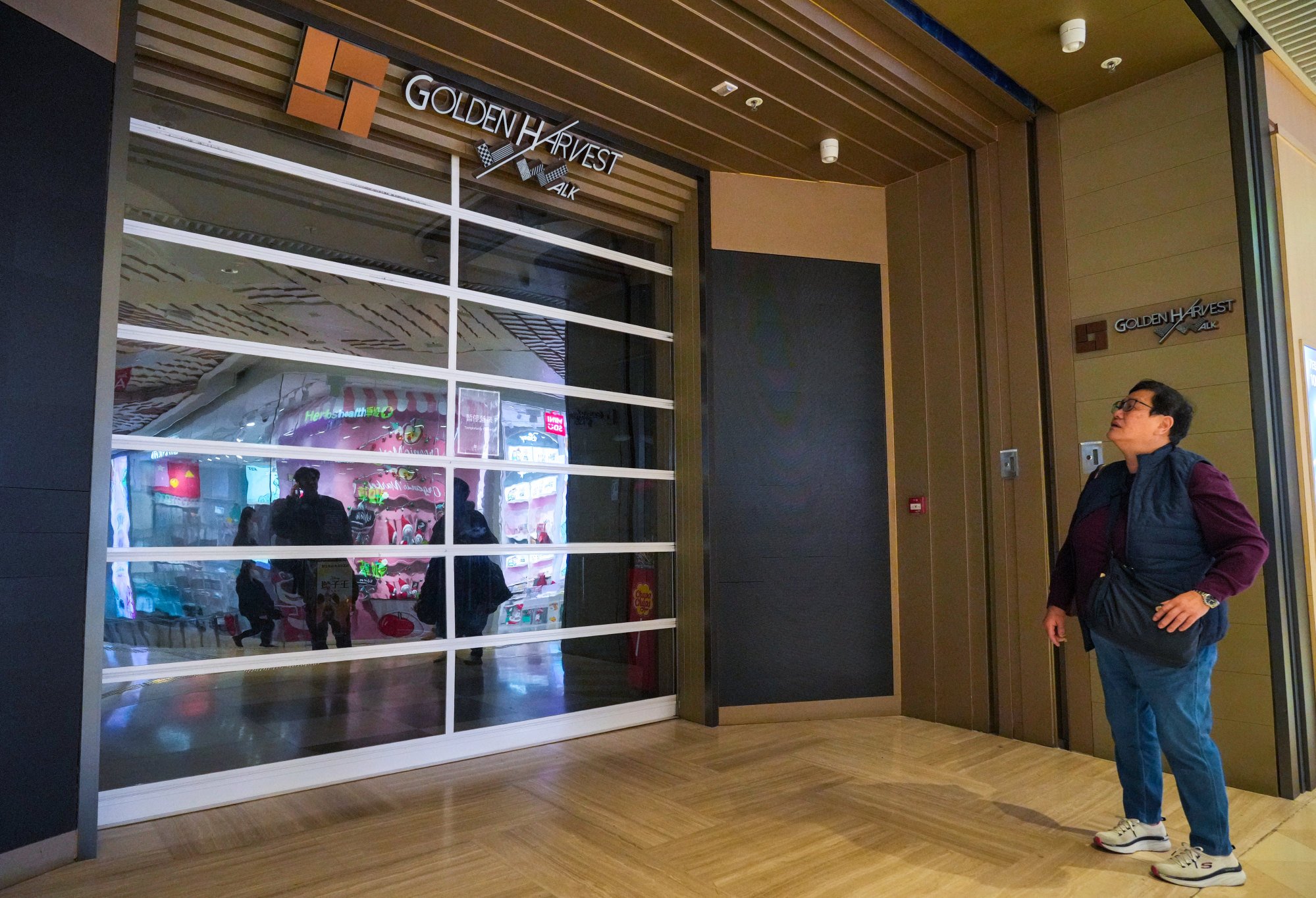
This year, government funding for the annual Fresh Wave International Short Film Festival, aimed at nurturing young talent in the industry, was cut for the first time in 18 years.
The celebrated Hong Kong filmmaker Johnnie To Kei-fung, who spearheads the popular film festival, said the reduced funding signalled the government’s lack of confidence in the city’s people and society.
The veteran director also lamented the “vague red lines” under the current political climate in the city, saying filmmakers would steer away from producing films on Hong Kong politics to “avoid suspicion”, and instead focus on romance, family, or action films.
Ng from Baptist University said that the industry was still in the midst of an uncertain transition but, looking ahead, could move beyond just big-budget action films and spectacular productions with eye-catching special effects.
“We have more lower-budget, human-centric and emotion-driven films on different subjects,” he said.
Striking an optimistic note, Ng said he expected that more filmmakers would experiment with different genres to meet changing tastes.
“While we are far from Hong Kong’s golden age of film back in the [1980s and 1990s], we’ve seen the proliferation of films in a plethora of subjects. I am appreciative and supportive of this. It’s very positive.”
More from South China Morning Post:
- Hong Kong box office gets Christmas boost, but industry warns of bleak outlook
- A year of giant pandas, mega-events and new minister for Hong Kong tourism
For the latest news from the South China Morning Post download our mobile app. Copyright 2024.