The heads of the G20 meeting in Brazil released a leaders’ declaration on Monday that underscored the many problems facing the global community even as it urged action on armed conflicts, climate change and other major issues.
Despite the concerns, the 22-page, 85-point document also struck an optimistic tone on the prospect for a reasonable economic outcome in the near term.
“We live in times of major geopolitical, socioeconomic and climate and environmental challenges and crises [that] require urgent action,” the leaders said a day before the two-day summit’s formal conclusion.
Do you have questions about the biggest topics and trends from around the world? Get the answers with SCMP Knowledge, our new platform of curated content with explainers, FAQs, analyses and infographics brought to you by our award-winning team.
“We observe good prospects of a soft landing of the global economy, although multiple challenges remain and some downside risks have increased amid elevated uncertainty.”
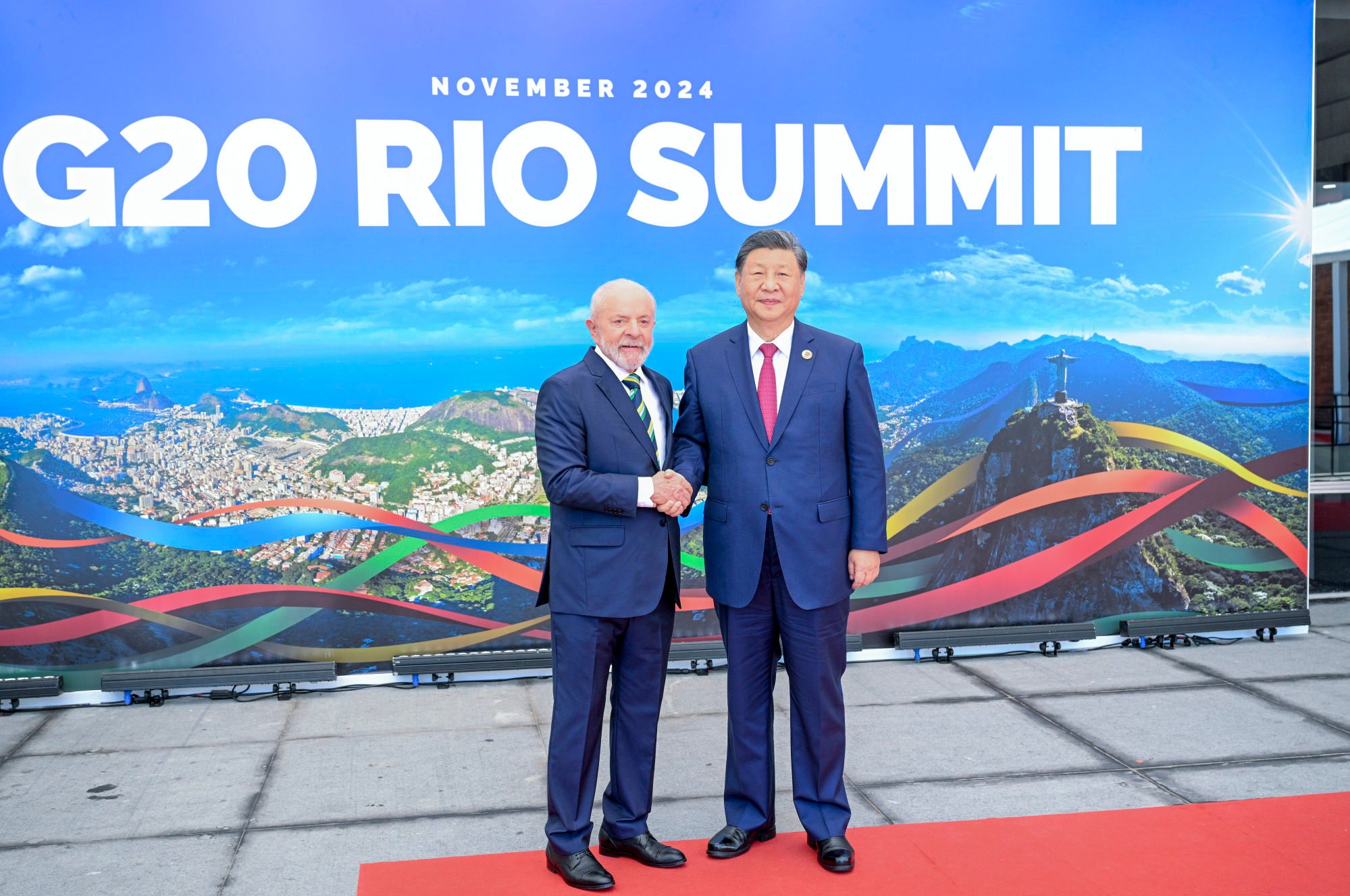
One of the most contentious issues, both at the G20 and the Asia-Pacific Economic Cooperation a few days earlier in Peru that many leaders also attended, was how to frame the two wars currently under way in Ukraine and in the Middle East.
While Apec largely opted to sidestep the issue on the grounds it was an economically focused, consensus-based organisation, the G20 condemned the use of military force.
The G20 statement asserted that such force undercut the territorial integrity or political independence of any state. And it drew attention to the plight of those caught up in the fighting.
“We highlight the human suffering and negative added impacts of the war with regard to global food and energy security, supply chains, macro-financial stability inflation and growth,” it said of Ukraine, adding that any peace initiative was welcome.
This came as President Joe Biden reportedly authorized Ukraine to launch longer-range American-made missiles into Russia territory, a move that Moscow condemned, amid concern over Russia’s use of North Korean troops.
On Gaza and Lebanon, the group called for a ceasefire, the expansion of humanitarian aid and a two-state solution “where Israel and a Palestinian state live side by side in peace within secure and recognised borders, consistent with international law”.
The leaders also stressed a need to address poverty and global warming, issues that host Brazilian President Luiz Inacio Lula da Silva has prioritised over the past year.
The G20 remains the premier forum for international economic cooperation and as such has a significant responsibility to foster a vibrant economy, the group said.
That included a recognition that inequality is “at the root of most global challenges that we face”, it said, adding: “The world requires not only urgent action, but also socially just, environmentally sustainable and economically sound measures.”
The leaders vowed to push for strong, sustainable, balanced and inclusive growth as well as address inflationary pressures, safeguard fiscal sustainability and mitigate “negative spillovers”.
Jeremy Chan of the New York-based Eurasia Group consultancy said the soft-pedalling of the wars in Ukraine and the Middle East along with the omission of any reference to North Korea’s aid for Russia were predictable.
He cited a lack of consensus at the G20 and Beijing’s wish to keep the discussions focused on more narrow economic topics.
The meetings in Brazil along and those at Apec have seen China tout its credentials as a globally responsible player in favour of globalisation and expanded trade.
That effort draws a sharp contrast with the expected priorities of US president-elect Donald Trump and his “America-first” stance, said Chan.
“China will continue to use a carrots-based diplomatic approach to countries that are anxious over the return of Trump, including potentially higher US tariffs and a broader retreat of US leadership from the global stage,” he added.
“In contrast to its previous wolf-warrior response to US pressure, China is now trying to play nice, using unilateral concessions on visa-free travel and greater market access to increase its attraction,” Chan added.
“This approach will likely find more success in attracting nominally neutral countries – Indonesia, Peru, Brazil, Malaysia – than in peeling US allies away from Washington.”
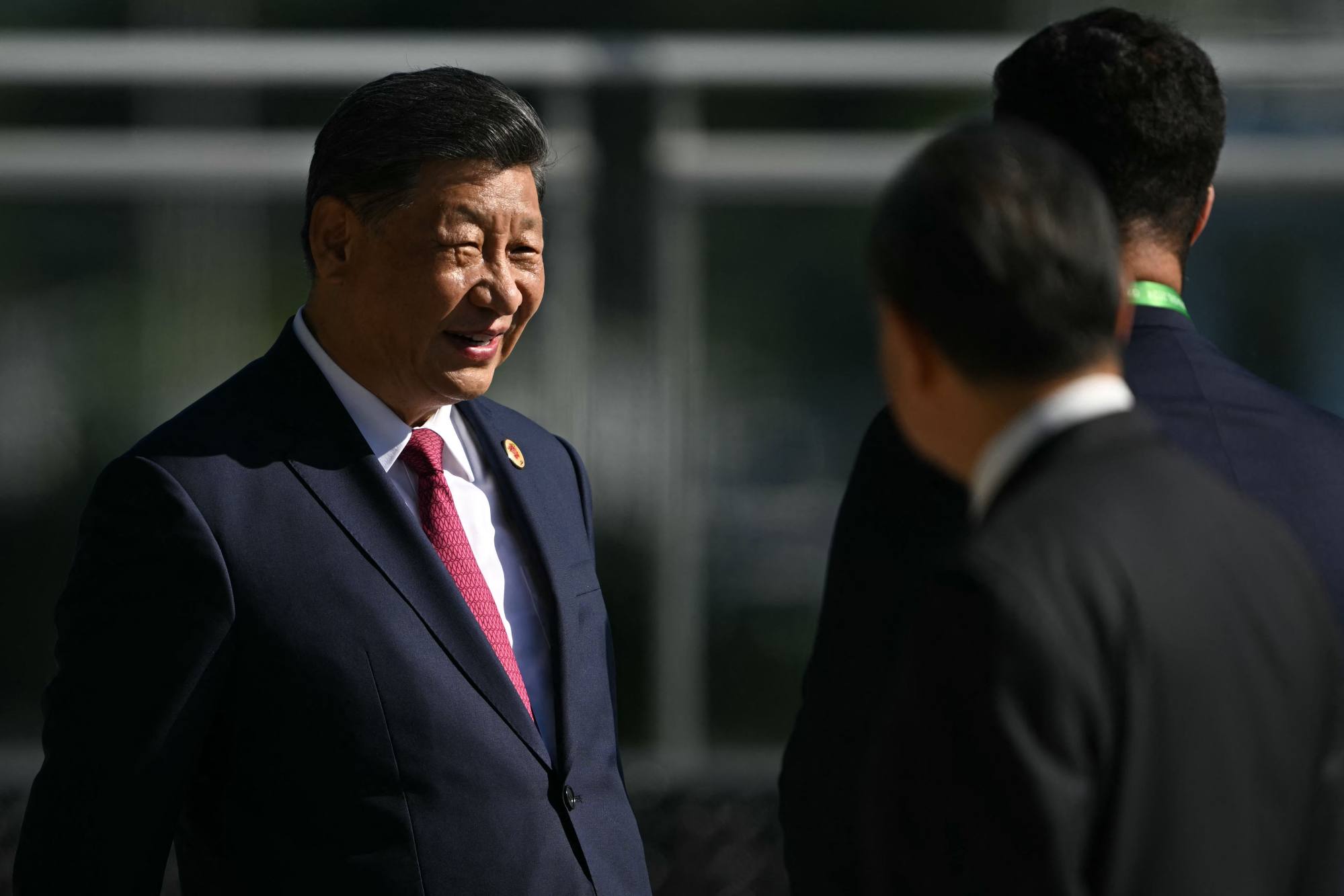
The leaders also called for comprehensive reform of international institutions at a time when voters worldwide are increasingly turning against them for having failed to adequately address global inequality.
“There will be no sustainability nor prosperity without peace,” the leaders said in advocating significant changes to global governance, particularly within the United Nations system.
Brazil, along with Germany, India, Japan and major countries in the Global South, has long advocated for a seat on the UN Security Council, a position the group expressed support for.
The odds of this happening soon, however, are slim given reluctance by the UN’s five permanent members – Britain, China, France, Russia and the US – to cede control and agree on new members.
The G20 also backed reforms to major financial institutions, including the World Bank and International Monetary Fund, calling for another seat on the IMF executive board to extend representation to sub-Saharan Africa.
The declaration further called for revised IMF quotas to give greater power to poorer nations. Created after World War II, the Washington-based IMF is heavily influenced by the United States and countries in Europe.
On artificial intelligence, G20 leaders acknowledged its potential while recognising associated risks. The statement on Monday highlighted concerns about AI in the workplace, with leaders agreeing to establish guidelines for its use in that setting.
“We remain committed to support developing countries in responding to global crises and challenges,” the group added.
More from South China Morning Post:
- G20 summit begins with Brazilian host laying out ambitious global priorities
- At G20, Xi Jinping and Anthony Albanese discuss improved China-Australia trade relations
- Xi Jinping touts shared views with Brazil on Ukraine, other matters ahead of G20
- Xi tells Biden he is ‘ready to work’ with Trump, but warns against US-China decoupling
- China to court G20 nations to bypass US-led sanctions in potential Taiwan conflict: report
For the latest news from the South China Morning Post download our mobile app. Copyright 2024.