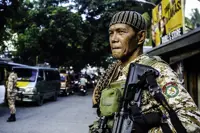
JOANNA Sustento lost her home and most of her family when Typhoon Haiyan smashed into the Filipino city of Tacloban on Nov 8, 2013, an experience that drove her to join the fight to make fossil fuel firms pay up for worsening climate disasters.
One of the most destructive storms in modern history, Haiyan killed more than 6,000 people and displaced millions, with the total bill for losses and damage estimated at 571 billion pesos by the Philippine government.
Already a subscriber? Log in
Get 20% OFF The Star Digital Access
Cancel anytime. Ad-free. Unlimited access with perks.